Mareeba Coffee and Farm Trail: The Tablelands' Tasting Route
What is the Mareeba coffee and farm trail?
It's a self-drive or guided tasting route around Mareeba on the Atherton Tablelands, taking in coffee estates, avocado and mango orchards, dairy and cheese producers, macadamia farms and small distilleries. Most visits take a half to a full day and start about 1h30 from Cairns.
Mareeba is a tasting destination, not a pit stop
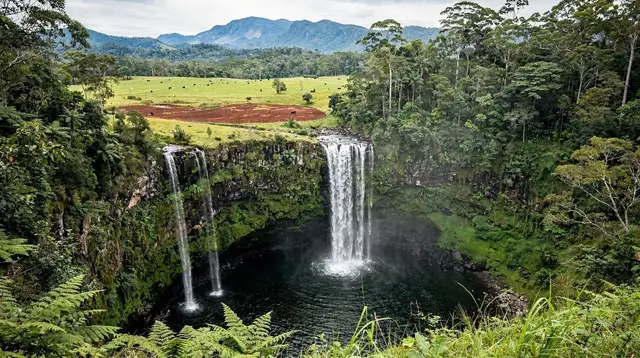
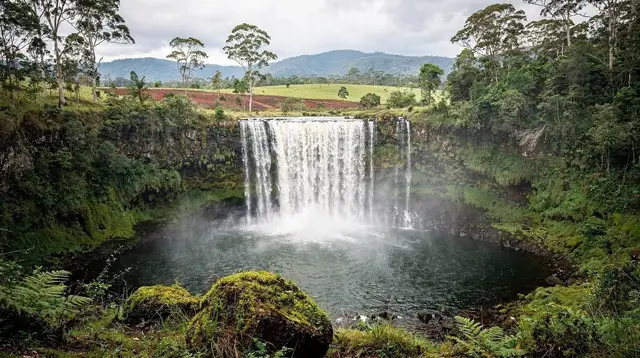
Most visitors to the Atherton Tablelands think in terms of waterfalls: Millaa Millaa, Zillie, Ellinjaa, the whole Waterfall Circuit further south. Mareeba gets treated as the town you pass through on the way up from Cairns, or a fuel stop before the Wetlands. That undersells it. Mareeba and the farmland around it are a genuine food and drink destination — arguably the most interesting one in Tropical North Queensland outside the reef and rainforest itself.
The reason is geography. Mareeba sits at the northern end of the Atherton Tablelands, a volcanic plateau between roughly 500 and 1,100 metres above sea level, about 1h30 by road from Cairns. The altitude means it’s noticeably cooler than the coast — locals from Cairns drive up here specifically to escape the humidity — and the combination of old volcanic soil, elevation and a long dry season with irrigation from Lake Tinaroo has made Mareeba one of the more productive agricultural pockets in the country. Coffee, avocados, mangoes, dairy cattle, macadamia trees and increasingly distilleries all do well here, often within a few kilometres of each other.
This guide covers the tasting and farm-trail side of Mareeba specifically. It does not cover the Mareeba Wetlands and their birdlife, which is a separate outing focused on wildlife rather than food. It also doesn’t cover the sunrise hot air ballooning that also launches from Mareeba — that’s a dawn activity built around the region’s stable morning air, not the farm trail itself.
And it isn’t about Granite Gorge and its rock wallabies, which is a nearby but distinct destination. Treat this as the eating-and-drinking half of a Mareeba visit; the other two make good pairings for the same trip if you have the time.
Why Mareeba grows coffee at all
Australia isn’t a country people associate with coffee farming, and the volumes here are genuinely small by world standards. But the Atherton Tablelands sit at a latitude and elevation where arabica coffee can be grown commercially, and Mareeba is the centre of that production. The red volcanic soil drains well and holds nutrients, the elevation moderates the tropical heat that would otherwise stress the plants, and a dry season from May to October gives growers control over harvest timing that wetter regions don’t have.
Several estates around Mareeba grow, process and roast their own beans on site, and most offer some form of tasting or tour — walking the rows, seeing the drying beds or processing shed, then a cupping session comparing roasts. It’s a small, specific industry rather than a large plantation model, which is part of the appeal: you’re generally talking to the people who grew the coffee, not a tour guide reciting facts about it.
The Mareeba Coffee trail (sometimes signposted informally as a coffee-growing region rather than a single formal route) links several of these estates along the roads north and west of town. A full read on the wider trail, including which estates run tastings and how they compare, is worth checking before you go — see Mareeba Coffee and Farm Trail for the estate-by-estate detail once it’s published, or ask locally, since small producers change their opening days seasonally.
What else grows here
Coffee gets the marketing attention, but it’s genuinely one part of a broader picture. The Mareeba district and the surrounding Tablelands produce:
- Avocados — the region is one of Australia’s larger avocado-growing areas, with orchards visible along many of the roads out of town.
- Mangoes — planted widely across the district, with roadside stalls selling fruit in season (roughly October to January, well outside the scope of a single visit but worth knowing if you’re travelling then).
- Dairy and cheese — smaller producers making cheese, yoghurt and other dairy products from herds grazing the cooler Tablelands pasture, a contrast to the tropical coast just over the range.
- Macadamia — orchards and small processors selling nuts roasted, flavoured or raw, often alongside a cafe or tasting counter.
- Distilleries — a newer addition to the district, several small operations turning local produce (coffee, sugar cane, tropical fruit) into gin, rum, vodka and liqueurs, usually with a cellar-door tasting setup.
None of these individually justifies a special trip from Cairns the way the reef or the Daintree does. Together, strung along a single day’s drive, they add up to one of the more relaxed and genuinely local days out in the region — the kind of stop that rewards slowing down rather than ticking off sights.
How the day actually works
There’s no single official “farm trail” route with numbered stops and a visitor centre, which is both the charm and the friction of a Mareeba visit. It’s a loose scatter of independent producers, most within a 20-minute drive of the town centre, and you build your own route from whichever combination interests you.
A workable structure for a full day:
| Time | Stop type | Notes |
|---|---|---|
| Morning | Coffee estate | Tour, processing shed, cupping session |
| Midday | Lunch in Mareeba town | Cafes serving local produce |
| Early afternoon | Avocado or mango orchard / roadside stall | Seasonal, informal |
| Mid afternoon | Cheese or dairy producer | Small-batch tastings |
| Late afternoon | Macadamia farm or distillery | Tasting counter, often the last stop before heading back |
This isn’t a fixed itinerary — it’s a template. Some visitors spend the whole day at two or three unhurried stops rather than rushing through five. Because most producers are small and family-run, opening days and tour times vary and change seasonally, so calling ahead (or booking where a booking system exists) is worth the five minutes it takes.
If self-driving and improvising an itinerary isn’t appealing, a guided option removes the planning. The Cairns: Mareeba Wildlife and Coffee Tour combines a coffee estate visit with some of the district’s wildlife encounters in a single guided day from Cairns, useful if you don’t have a hire car or would rather not navigate unfamiliar farm roads yourself. For a broader sweep of the Tablelands that folds in tastings alongside other stops, the Cairns: Atherton Tablelands Day Tour with Tastings covers more ground in one day, including produce beyond Mareeba itself.
Pairing Mareeba with the rest of the Tablelands
Because Mareeba sits at the northern edge of the Tablelands, it pairs naturally with other stops in the district if you have more than a single day, or want to build a longer loop rather than an out-and-back from Cairns.
- Granite Gorge, a short drive from Mareeba, has resident rock wallabies you can feed — a different kind of wildlife encounter from the farms, and easy to bolt onto the same day.
- Mareeba Wetlands cover birdwatching and a different ecosystem entirely; see Birdwatching in Tropical North Queensland for what to expect there.
- Atherton, further south, has its own cluster of attractions including the Crystal Caves — the Atherton: Crystal Caves Self Guided Tour is a self-paced indoor stop that works well on a hot or wet afternoon.
- Herberton, a historic mining town further into the Tablelands, has a recreated heritage village — the Herberton: Historic Village Herberton Entrance Ticket covers entry if you want to add a half-day of colonial-era history to the trip.
- Further south again, the Waterfall Circuit near Millaa Millaa and the crater lakes at Lake Barrine and Lake Eacham are a different half of the Tablelands experience — scenery and swimming rather than tasting. See Atherton Tablelands Day Trip for how the whole plateau fits together if you’re trying to plan a single loop.
For families, Mutchilba, west of Mareeba, has a farm set up specifically for hands-on animal encounters — the Mutchilba Farm Animal Feeding is a straightforward add-on if travelling with kids who’d rather feed goats than sip coffee.
What to ask for at each kind of stop
Tastings work best when you arrive curious rather than in a hurry. A few things worth knowing before you walk in.
At a coffee estate, ask to see the whole chain if the producer offers it: the trees, the processing area, the roaster, then the cup. Ask which roast level suits the way you brew at home, and whether the beans on the counter come from that estate’s own trees or are blended with other regional coffee. Small growers are usually happy to explain, and the answers tell you more than any label does.
At an orchard or roadside stall, the fruit is the point. Ask what is ripe this week rather than what the sign says, and buy only what you can eat in a couple of days if you are flying out soon. Our guide to tropical fruit in Far North Queensland explains what the unfamiliar varieties taste like, which helps when a stallholder offers something you have never seen.
At a dairy or cheese producer, ask what is available to taste and whether anything is made only in small seasonal batches. Cheese travels poorly in a hot car, so plan these stops for the cooler part of the day or carry an insulated bag.
At a distillery, remember that you are driving. Tasting measures are small, but they add up across a day, so share the driving, take a guided tour, or keep the distillery for the final stop and have a designated driver. The Mareeba farm trail does not need a hire car if you book a guided day, and that is the easier answer for anyone who wants to taste freely.
Combining Mareeba with a longer Tablelands stay
A single day from Cairns is enough for the farm trail, but the Tablelands reward a slower pace. If you have two days, the Atherton Tablelands in two days itinerary shows how to split the plateau into a northern food-and-farm day and a southern waterfall-and-lake day, with a night in between. The small lakeside and village stops around Yungaburra and Lake Tinaroo make natural places to break the journey, and the crater lakes of Barrine and Eacham fit neatly into the second day.
If you are weighing the Tablelands against the better-known rainforest day trip, read Kuranda versus the Atherton Tablelands first. Mareeba suits travellers who would rather taste, talk and wander than ride a cable car. For a wider view of why the plateau is worth the drive, the blog post The Atherton Tablelands are the underrated half gives a personal take, and best day trips from Cairns lists the other options if you are still choosing.
Travelling with children, on a budget, or in bad weather
Families do well here because the day is varied and rarely requires long walks. Feeding animals, watching coffee being roasted and picking out fruit keep children engaged, and our Cairns with kids guide has more on pacing a trip around young travellers. The farm animal feeding experience at Mutchilba is the obvious stop for younger children.
Budget travellers can keep costs down by self-driving, sharing a car, and treating one or two paid tastings as the highlights while enjoying free roadside stops and cheap cafe lunches in town. For a sense of how the day fits into a wider spending plan, see Cairns travel costs and budget.
Because so much of a farm-trail day happens under cover, it also makes a good answer to a grey forecast. If the coast is wet and the reef is off the table, what to do in Cairns on a rainy day lists other options, and Mareeba is often a drier, cooler alternative a short drive inland.
Practical tips for the day
- Carry cash as well as a card. Some small producers and roadside stalls prefer it or have patchy mobile reception.
- Bring a cooler bag or an esky for cheese, fruit and anything chilled you buy along the way.
- Wear closed shoes and a hat; orchard and processing areas can be uneven and the sun is strong even at altitude.
- Fill the fuel tank in Mareeba or before you leave Cairns, and keep an eye on the time so you are not driving the range road after dark, when wildlife is active.
- Leave room in the boot. It is surprisingly easy to come home with a case of coffee, a box of fruit and a few bottles.
Getting there and getting around
Mareeba is reached from Cairns via the Kennedy Highway, climbing from sea level up onto the Tablelands — about 1h30 in normal traffic, similar to driving to Port Douglas but heading inland and uphill instead of up the coast. A hire car is genuinely useful here in a way it isn’t for the reef or Kuranda: the farms and estates are spread across back roads with no shuttle network connecting them, and Mareeba itself has no train or cable car link, unlike the Skyrail and Kuranda Scenic Railway routes closer to Cairns.
If driving yourself, note that farm roads on the Tablelands are often narrow and shared with agricultural vehicles; take corners accordingly and expect the occasional stretch of unsealed road to a smaller producer. Distances between individual farms are usually short — often 10 to 20 minutes — but a day that tries to cram in six or seven stops will feel rushed. Three to four unhurried visits, with time for an actual conversation at each, is a better day than a checklist.
Because the Tablelands sit at altitude, mornings and evenings are noticeably cooler than Cairns, particularly outside the warmer months — worth packing a light layer even in the tropics.
When to go
The dry season, May to October, is the easier time to visit: reliable weather, comfortable temperatures for walking between rows of coffee or avocado trees, and no risk of the farm roads turning to mud. That said, this isn’t a beach or reef day where the wet season creates real problems — a farm and cellar-door circuit works reasonably well year-round, since most of the activity (tastings, tours, cafes) happens under cover or in short outdoor bursts. Mango season (roughly October to January) adds roadside stalls and a specific seasonal flavour to the district if your visit lines up with it, though it also overlaps with the start of the wet.
The bottom line
Treat Mareeba as its own destination on the Tablelands, not a drive-through on the way to somewhere with waterfalls or wildlife. A day built around coffee estates, orchards, dairy producers and a distillery or two is a genuinely different kind of Tropical North Queensland experience from the reef, the rainforest or the theme-park stops closer to Cairns — slower, more conversational, and built around produce rather than scenery. Pair it with Granite Gorge or the Mareeba Wetlands if you want to extend the day, or fold it into a longer Tablelands loop using Atherton Tablelands Day Trip as a starting point.
Food, coffee and market tours on GetYourGuide
Verified deep-linked GetYourGuide tours. Book through these links and we earn a small commission at no cost to you.
GetYourGuide does not provide a product photo for this activity — the image shows the meeting point, photographed by us.