Stories from Cairns
Long-form writing on Cairns and the Tropical North — reef dives, rainforest walks, crocodile encounters and the practicalities of travel in the tropics.
More stories

Cairns for Non-Swimmers: I Never Got in the Water and Loved Every Day

Cairns or Port Douglas: Where I'd Stay

How to Choose a Reef Boat (I Wasted a Day Getting This Wrong)

Is a Liveaboard Worth It on the Great Barrier Reef?

Is the Great Barrier Reef Still Worth It?

Learning to Dive in Cairns: Was It Worth It?

Paronella Park: The Strangest Place in Queensland

Skyrail or the Scenic Railway: What I'd Do Again in Kuranda

Stinger Season Is Not What You Think

The Atherton Tablelands Are the Underrated Half of Tropical North Queensland

The Daintree Is Not a Day Trip

The Drive from Cairns to Port Douglas

The Mistake Everyone Makes With Cairns Day Trips

The Real Cost of a Week in Cairns

Three Days in Cairns: What I'd Cut

Tjapukai Is Closed. Please Stop Recommending It.

What a Cassowary Encounter Is Actually Like

What I Packed for Cairns That I Actually Used

What Nobody Tells You About Cairns Beaches

What the Wet Tropics Taught Me in a Week

Where You Can Actually Swim in Far North Queensland

Why the Wet Season Might Be the Better Cairns Trip

Why Your Reef Trip Costs More Than Advertised
Good to know about the Cairns blog
The blog is where Cairns Trip steps back from strict planning logistics and covers the questions that shape how a trip actually feels, written with the same honest, no-fluff approach as the rest of the site. It opens with orientation pieces — what to know before visiting Cairns for the first time, and a direct look at whether a Great Barrier Reef day trip is really worth it, which stays qualitative rather than inventing precise figures: for most visitors who build in a spare day in case of weather, it is, while a single tight day with no buffer carries a real chance of choppy conditions or a cancelled crossing.
A Cairns-versus-Port-Douglas comparison helps travellers deciding where to base themselves weigh up the practical differences in atmosphere, reef access and driving distance rather than relying on vague impressions.
History and culture get their own space: a piece on James Cook's 1770 voyage explains why Trinity Bay, Cape Tribulation and the Endeavour's brush with the reef still shape how the region tells its own story, from the naming of Trinity Inlet to the days Cook spent repairing his ship at what's now Cooktown; and a piece on the Wet Tropics covers what the World Heritage-listed Daintree rainforest, reckoned among the oldest on Earth, actually looked like long before European settlement, alongside the Kuku Yalanji, Djabugay and Yidinji country it sits within.
Food and craft pieces make up a solid share of the blog: a Cairns food guide covering Rusty's Markets and the Night Markets and what a realistic meal costs, a piece on the Atherton Tablelands' coffee, cheese and macadamia growers, and a guide to barramundi and the region's tropical produce. A best-time-to-visit piece pulls together the seasonal picture in one place: the dry season running roughly May to October, humpback whales passing offshore from around July to September and dwarf minke whales further north in June and July, and the wet season's fuller waterfalls traded against cyclone risk and marine stinger season.
A safety and etiquette piece covers ordinary caution around saltwater crocodiles in every estuary and river along this coast, marine stingers from roughly November to May, and practical notes on driving Far North Queensland's roads and giving a cassowary a wide, quiet berth. None of the blog content replaces the destination or guide pages — it's meant to be read for context and reassurance before or during a trip, answering the softer questions a strict itinerary or logistics guide doesn't cover.
Frequently asked questions about the Cairns blog
Is a Great Barrier Reef day trip worth it?
For most visitors who build in a spare day in case of weather, yes — the reef is the reason many people book this trip in the first place. A single tight day with no flexibility carries a real risk of choppy conditions or a cancelled crossing.
Should I base myself in Cairns or in Port Douglas?
Cairns is central for reef trips, Kuranda and the airport and holds most of the budget-to-midrange hotels; Port Douglas is quieter, more upmarket and sits closer to Mossman Gorge and the Daintree. The blog's Cairns-versus-Port-Douglas piece compares both directly rather than assuming one suits everyone.
Why does Cooktown still draw visitors beyond its size?
It's where James Cook beached and repaired the Endeavour in 1770 after it struck the reef, and that history — plus the James Cook Museum and the Grassy Hill lookout — is why the town still has a pull beyond an ordinary outback stop.
Is the Daintree worth visiting even for travellers who aren't hikers?
Worth crossing the river for at least once — a river cruise is the easiest way to spot a wild saltwater crocodile safely from a flat-bottomed boat, and the Daintree Discovery Centre's canopy walkway needs no fitness at all. The blog's Wet Tropics piece explains why this rainforest is reckoned among the oldest on Earth.
When is the best time to visit Cairns?
There isn't one answer for the whole region — May to October brings the driest, most comfortable weather and the best underwater visibility, roughly July to September brings whale season further offshore, and the wet season from November to April brings fuller waterfalls but also cyclone risk and marine stingers.
Great Barrier Reef tours on GetYourGuide
Verified deep-linked GetYourGuide tours. Book through these links and we earn a small commission at no cost to you.
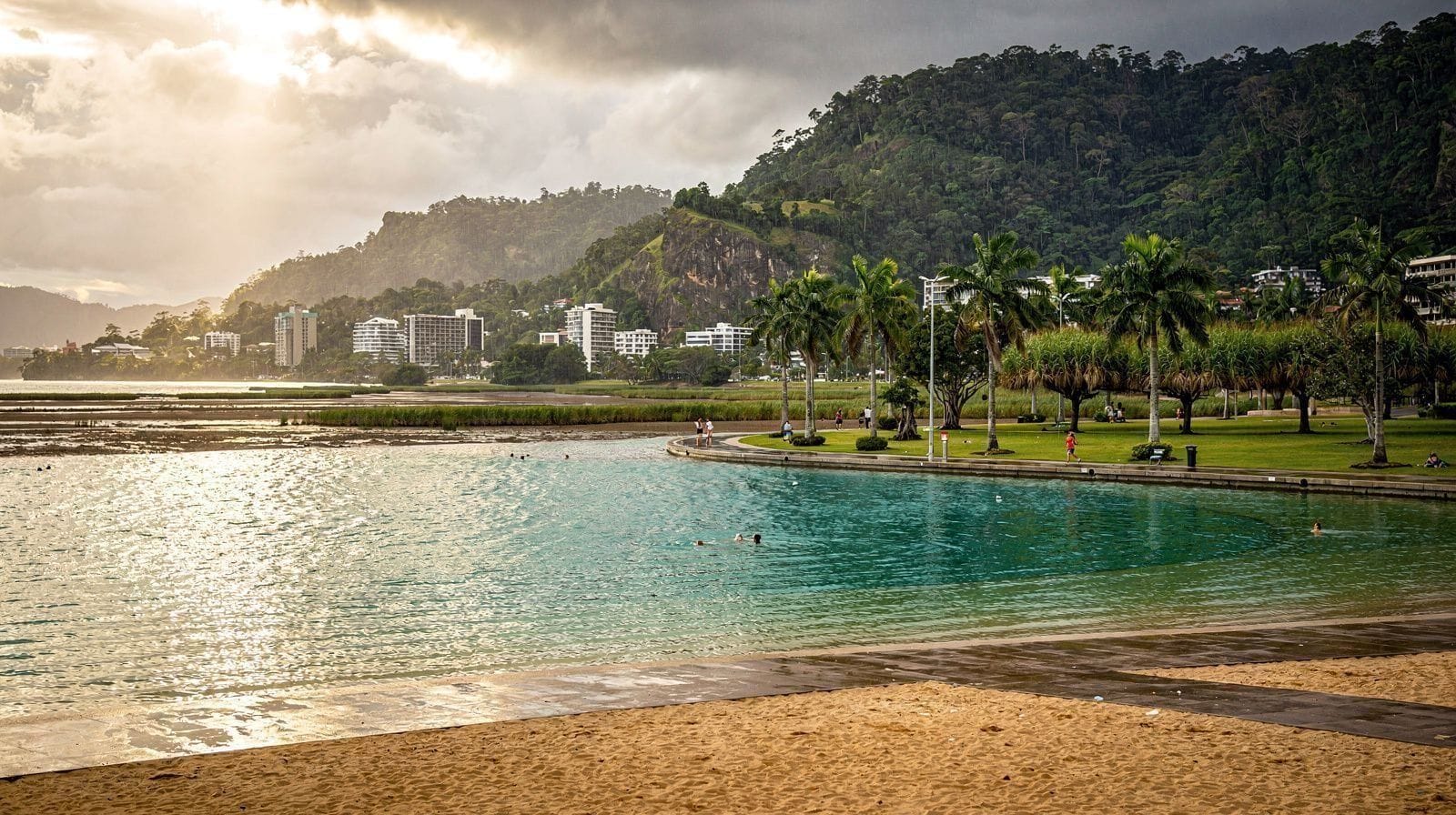
GetYourGuide does not provide a product photo for this activity — the image shows the meeting point, photographed by us.


