A flight aviary in the middle of a rainforest village
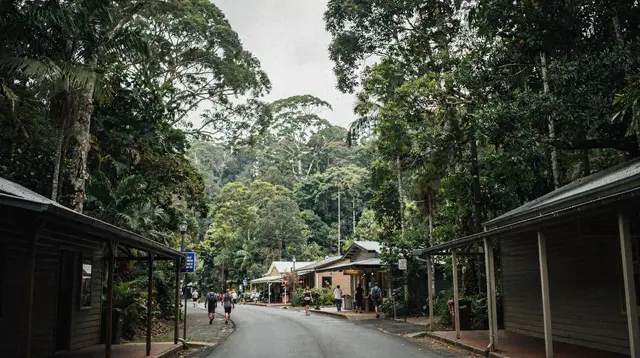
The Australian Butterfly Sanctuary sits a few minutes’ walk from the centre of Kuranda, on the edge of the rainforest that gives the village its climate and its name. It’s one of the largest butterfly flight aviaries in the Southern Hemisphere: a single netted enclosure planted with the host and nectar plants that keep several thousand free-flying butterflies fed and breeding on site, rather than a static insect display behind glass.
That distinction matters for what you should expect. You’re not looking at pinned specimens or a small terrarium — you’re walking through a covered, mesh-enclosed garden while butterflies land on plants, on the paths, and occasionally on visitors. Guided tours run through the aviary on a loop, pointing out life stages, host plants, and the handful of species that make Far North Queensland one of the best places in the world to see tropical butterflies in the open air.
It’s a short visit — most people spend under an hour — but it’s the kind of stop that travels well: it’s covered, it’s flat, it doesn’t require a booking window at a set time of day (within opening hours), and it works for prams and for grandparents as easily as for kids chasing Ulysses butterflies down a gravel path.
Getting there: Skyrail, the Scenic Railway, or both
Almost nobody drives to the sanctuary on its own. It’s built into the same Kuranda visit that includes the Skyrail Rainforest Cableway and the Kuranda Scenic Railway, and the sanctuary is close enough to both terminals that it barely adds walking time to the day.
- Skyrail opened in 1995 and runs 7.5 km of gondolas above the canopy of the Barron Gorge National Park, with stops at Red Peak and Barron Falls on the way up. It links Smithfield at the coast to Kuranda at the top.
- The Kuranda Scenic Railway was cut by hand between 1886 and 1891: 37 km of track, 15 tunnels, 93 curves, and a stop at Barron Falls lookout on the way. Trains run from Cairns or from Freshwater Station.
The classic combination — and the one most Kuranda day tours are built around — is to take one on the way up and the other on the way back, so you see the gorge from both a gondola and a heritage carriage without doubling back on the same route. A packaged option covers both legs and takes the logistics off your hands:
a combined Skyrail and Kuranda Scenic Railway day from CairnsWhichever way you arrive, both the Skyrail terminal and the railway station sit within a 5–10 minute walk of the sanctuary, on the same side of the village as most of Kuranda’s other attractions.
What’s actually inside
The aviary is a single large enclosure, planted rather than decorated, with a raised walking path that loops through it under guide commentary. Expect:
- Free-flying butterflies at close range — several thousand individuals across dozens of species, feeding on nectar plants and settling on visitors’ clothing often enough that staff warn you not to brush one off.
- A breeding house where you can see chrysalides at different stages and, with some luck in timing, a butterfly emerging.
- Guided walkthroughs on a rolling schedule, included in general admission, that explain life cycles, host-plant relationships, and the species you’re most likely to see that day.
Two species do most of the work for photographs. The Ulysses butterfly — electric blue on top, dull brown underneath, so it seems to flash and vanish as it flies — is the unofficial symbol of Far North Queensland tourism, and you’ll see its silhouette on road signs long before you see the real thing. The Cairns birdwing, Australia’s largest butterfly, is the other headline species: females can have a wingspan over 15 cm, and males patrol territory in a way that’s easy to follow with a camera if you’re patient for a minute or two in one spot.
Because it’s a working breeding facility rather than a fixed exhibit, exactly which species are most active varies with the season and the day. Staff running the guided walk will tell you what’s currently emerging, which is usually more useful than any species list printed in advance.
How long to spend, and where it fits in the day
Budget 45 minutes to an hour inside, including the guided walkthrough. It’s not a place that rewards lingering much longer than that — once you’ve done a loop and taken photographs of the Ulysses and the birdwing, you’ve seen what the aviary has to offer.
That short duration is exactly why it works well as one stop among several rather than the reason to visit Kuranda. Most visitors pair it with Kuranda’s other wildlife attractions — Birdworld, the Kuranda Koala Gardens, and Rainforestation Nature Park with its Army Duck tours and the Pamagirri Aboriginal cultural experience — plus a walk through the village markets and a stop at one of the lookouts over the gorge.
None of those are detailed here; for a proper look at Kuranda’s wildlife parks side by side, see koalas and wildlife parks near Cairns, and for how to sequence a full day in the village, see the Kuranda day trip guide.
One attraction that used to appear on almost every Kuranda list is no longer an option: Tjapukai Aboriginal Cultural Park closed permanently in 2021, and it still shows up in outdated guides and forum threads. If you’re after an Aboriginal cultural experience around Kuranda, the credible alternatives now are the Pamagirri performances at Rainforestation, or the Kuku Yalanji Dreamtime Walk at Mossman Gorge — read more on what changed in Tjapukai closed: what to do instead.
Why butterflies thrive in the Wet Tropics
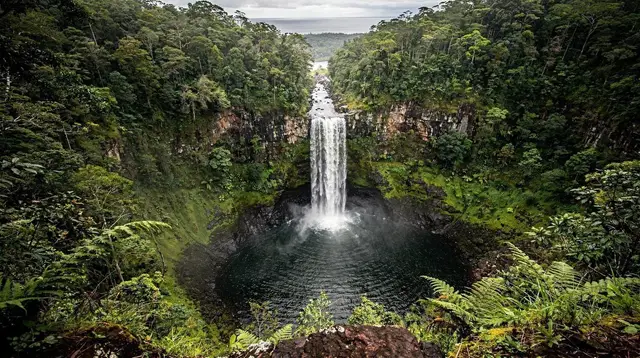
The sanctuary makes more sense once you know where it sits. Kuranda is on the upland edge of the Wet Tropics of Queensland, the rainforest listed as World Heritage in 1988, and the same warm, humid air that makes the Daintree rainforest so rich in life is what lets butterflies breed here. Each species depends on particular host plants for its caterpillars and particular flowers for the adults, which is why the aviary is planted like a working garden rather than furnished like a display hall.
If you want the wider picture of how the rainforest around Kuranda compares with the forest further north, the guide to Daintree vs Kuranda rainforest sets the two side by side. And if the butterflies leave you curious about birds, the birdwatching guide for Tropical North Queensland covers what else flies through the region.
Making the most of the walkthrough
A few habits make the visit better, and none of them cost anything:
- Move slowly. Butterflies react to sudden movement. Stand still near a flowering plant for a minute and they tend to come back.
- Wear plain, light clothing. Bright patterns and strong scents draw butterflies, which is fun for a photograph but worth knowing if you would rather they kept their distance.
- Check before you step. Butterflies often rest on the path, so watch your feet and keep prams and small children to the walkway.
- Ask the guide questions. The guided loop is where you learn what is emerging that day, and guides are usually happy to point out a chrysalis or a freshly emerged butterfly.
- Keep the camera ready. Phones cope well in the shade of the enclosure, but a lens that focuses quickly helps with the fast-flying species.
For more on shooting wildlife and rainforest in this climate, see photographing the Daintree and the reef. The humidity inside the aviary can fog a cold lens, so let your camera adjust for a few minutes before the first shot.
Wet-season and rainy-day Kuranda
Kuranda gets plenty of rain between November and April, and the sanctuary is one of the dependable places to go when the cloud comes down. If your plans have changed because of the weather, Cairns on a rainy day lists other options, and Cairns in the wet season explains what the season actually feels like, which is often better than the forecast suggests. The village also has covered walkways and cafes where you can wait out a shower between attractions.
Pairing the sanctuary with family time
Because the aviary is flat, shaded and short, it suits a family day well. Children who are restless after the train or gondola ride usually enjoy the mix of moving butterflies and the breeding house. For ideas on keeping a whole day running smoothly with younger visitors, Cairns with kids and the five-day family itinerary show how Kuranda slots in alongside the reef and the beaches. If you are building a longer plan, the Cairns reef and rainforest in 3 days itinerary gives Kuranda a sensible place in the week.
Tickets and timing
The sanctuary sells standalone admission at the door, and it’s also bundled into most Kuranda combo tickets and guided day tours. Buying it as part of a packaged Kuranda visit usually costs little more than the standalone ticket while removing the need to plan transport and timing separately:
a Kuranda Australian Butterfly Sanctuary ticket bundled with entry| Option | What’s included | Best for |
|---|---|---|
| Standalone entry | Sanctuary admission only | Travellers who already have their own Skyrail/train tickets sorted |
| Combo with Skyrail or Railway | Transport plus sanctuary entry | Most first-time Kuranda visitors |
| Multi-attraction Kuranda pass | Sanctuary plus Birdworld and/or Koala Gardens | Families spending a full day in the village |
Arriving late morning, after the first cruise-ship and coach groups have moved through but before the afternoon rush, tends to give the most relaxed walkthrough. The aviary is covered and climate-controlled, so it’s one of the few Kuranda attractions that works identically whether you visit in the dry season or in the middle of the wet — see Kuranda attractions worth it for how it compares to the village’s outdoor options when the weather turns.
If you’re staying longer than a day
A single Kuranda day covers the sanctuary comfortably alongside Skyrail or the railway, but if your trip has more time, the region rewards it. Multi-day itineraries that combine Kuranda with the Daintree and a reef day let you cover the flight aviary in a morning and still have the rest of the trip for rainforest and reef:
a 3-day Daintree, Kuranda and reef package with accommodationFor a side-by-side on the two ways up the gorge, read Skyrail vs the Scenic Railway, and for the fuller logistics of a Kuranda day — parking, timing, what to skip when you’re short on time — see Skyrail and the Kuranda Scenic Railway.
Reading before you go
If you are still deciding whether the sanctuary is worth the time, the Kuranda destination page gives the village overview, and the blog post Skyrail or the train: what I’d do again is a personal take on the journey itself. For a broader view of the area’s options, Kuranda versus the Atherton Tablelands helps you decide how to divide your time inland, and the Cairns museum and history guide adds background on the region if you want some context before heading up the range.
Australian Butterfly Sanctuary: frequently asked questions
How long does a visit to the Australian Butterfly Sanctuary take?
Plan on 45 minutes to an hour, including the included guided walkthrough. It’s a short, self-contained stop rather than a half-day attraction.
Is the Australian Butterfly Sanctuary suitable for young children and strollers?
Yes. The path through the aviary is flat, covered, and pram-friendly, and the free-flying butterflies tend to be a highlight for young children rather than something to manage carefully.
Do I need to book in advance?
Not for standalone entry — it operates on a walk-in basis during opening hours. If you’re buying it as part of a Skyrail, railway, or Kuranda combo package, that package should be booked ahead, especially in the dry-season high months.
Is the Australian Butterfly Sanctuary open in the wet season?
Yes, and it’s one of the better wet-season options in Kuranda for exactly that reason: it’s fully covered and climate-controlled, so a downpour outside doesn’t affect the visit at all.
Can I combine the sanctuary with Skyrail and the Scenic Railway in one day?
Yes, easily. Both the Skyrail terminal and the Kuranda railway station are within a 5–10 minute walk of the sanctuary, so most Kuranda day tours fit it in alongside one or both of those journeys.
What’s the best time of day to visit to avoid crowds?
Late morning, after the earliest tour groups have moved on to other attractions but before the afternoon coach arrivals. Early morning right at opening is the other quiet window.
Should I visit Tjapukai as well while I’m in Kuranda?
No — Tjapukai Aboriginal Cultural Park closed permanently in 2021, despite still appearing in older guides. For an Aboriginal cultural experience nearby, look at the Pamagirri performances at Rainforestation or the Kuku Yalanji Dreamtime Walk at Mossman Gorge instead.
Which butterfly species am I most likely to see?
The Ulysses butterfly (electric blue) and the Cairns birdwing (Australia’s largest butterfly) are the two headline species, but the exact mix varies day to day since the aviary is an active breeding facility rather than a fixed display.