Where Trinity Beach Sits on the Northern Beaches Strip
Trinity Beach is one of a chain of beach suburbs strung along the coast north of Cairns, between the airport and Port Douglas. Coming from the city you pass Holloways Beach and Yorkeys Knob, then Trinity Beach, followed by Kewarra Beach, Clifton Beach and finally Palm Cove, the most built-up and resort-oriented of the group. For the full picture of how these suburbs differ from one another and from Cairns itself, the Cairns northern beaches guide is the place to start; this page stays focused on Trinity Beach alone.
What sets Trinity Beach apart from its neighbours is scale and character rather than any single landmark. It is bigger than Kewarra Beach or Clifton Beach, with a proper shopping strip along Vasey Esplanade, but it never grew the dense run of resorts and high-end restaurants that defines Palm Cove. The result is a suburb that reads as residential first and touristy second - plenty of holiday rentals and a handful of apartment blocks, but also real cafes doing a steady local trade, a primary school a few streets back from the water, and a pace that does not change much between a Tuesday and a Saturday.
The Beach Itself
The beach at Trinity Beach is a long, gently curving stretch of pale sand backed by a low headland at its northern end and a grassed foreshore reserve along most of its length. Unlike the mudflats fronting central Cairns, this is genuine swimmable sand, and it is one of the better swimming beaches in the northern beaches chain - wide at low tide, with calm, sheltered water for most of the year.
That said, swimming here comes with the same seasonal caveat as every other beach on this stretch of coast. From roughly November to May, a stinger net is installed at the patrolled section of the beach to keep out box jellyfish during the warmer months. It is worth using, and it does its job against the larger box jellyfish - but it is not a guarantee of safety. Irukandji jellyfish are small enough to drift through the mesh of a stinger net, and stings from them have been recorded even inside netted enclosures elsewhere on this coast.
A stinger net lowers the risk; it does not remove it, and it is not a reason to treat the wet season beach as risk-free. If you are visiting during stinger season, swim inside the enclosure, keep an eye on posted warning signs, and consider a lycra stinger suit for extra peace of mind, especially for children. Outside the November-to-May window, in the dry season, the water is generally considered safe for ordinary swimming without a suit.
The beach is patrolled during peak periods but not staffed the way a major surf beach would be, so it pays to check current conditions and any signage before getting in, particularly early or late in the stinger season when conditions can be inconsistent.
A Residential Village, Not a Resort Strip
Trinity Beach’s small commercial strip runs along Vasey Esplanade, facing the beach. It has a supermarket, a bakery, a handful of casual cafes for breakfast and coffee, a couple of Thai and Italian restaurants, and a beachfront pub-style venue that fills up for sunset drinks. None of it is large, and that is rather the point: this is a suburb built around people who live here or who are staying for a week or two in a holiday apartment, not a strip designed to funnel visitors into tour desks.
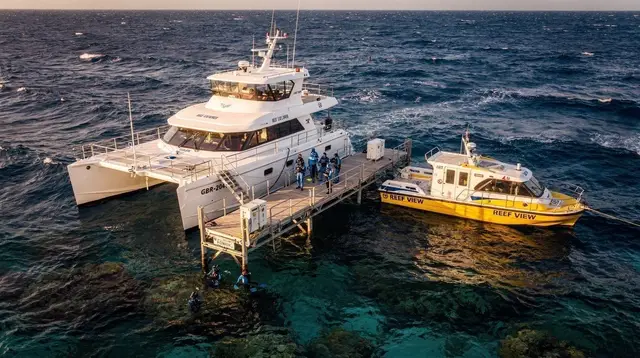
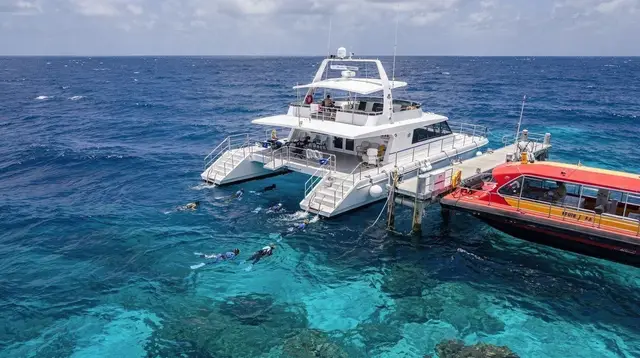
That also means Trinity Beach itself runs almost no organised excursions. There is no reef boat departing from a jetty here, no rainforest cableway terminus, no dive shop running daily trips out of town.
Anyone based in Trinity Beach who wants to get out onto the Great Barrier Reef, up to Kuranda, or into the Daintree needs to book online in advance and either drive to a departure point or arrange a hotel pickup - most reef and rainforest operators that service the northern beaches will collect guests from Trinity Beach accommodation on their way through from Palm Cove or the city. It is a trade-off: quieter streets and lower prices in exchange for organising your own logistics rather than walking to a booth on the esplanade.
What There Is to Do Locally
Beyond the beach and its foreshore park - which has playgrounds, barbecues and shade, and is popular with local families on weekends - Trinity Beach’s own activity list is short. A walking and cycling path runs along much of the coast here, connecting toward Kewarra Beach and Clifton Beach for anyone who wants a longer coastal walk or ride. Fishing off the rocks at the northern headland is a common pastime for residents, and the calm water makes the beach a reasonable spot for a gentle stand-up paddleboard session if you bring or hire your own gear.
For a proper day out on the water, the better move is to book a tour that collects from Trinity Beach accommodation rather than look for one departing locally. A guided half-day turtle kayak tour based in nearby Palm Cove is one of the easiest half-day options for anyone staying in this part of the coast, pairing an easy paddle with a decent chance of spotting a green turtle in the shallows.
For a full reef day, most Trinity Beach hotels can arrange transfers to a outer Great Barrier Reef cruise departing from the Cairns marina, or a full-day trip to Green Island with a choice of snorkelling or a glass-bottom boat for a gentler, closer-in reef experience that suits families and non-swimmers.
Getting To and Around Trinity Beach
Trinity Beach is roughly 15 km north of central Cairns, about a 20-25 minute drive along the Captain Cook Highway depending on traffic through Smithfield. Cairns Airport is closer still, generally 15-20 minutes by car or a pre-booked shuttle. There is no direct rail or ferry service to the beach; the practical options are driving, a shuttle transfer, ride-share, or the local bus route that runs along the highway and calls into the beach suburbs, though services are infrequent enough that they suit a resident’s schedule better than a tourist’s day trip.
Whether you actually need a rental car for a Trinity Beach stay depends on what else is on the itinerary - the question is covered properly in Do you need a car in Cairns?, but the short version is that a car earns its keep here. Without one, you are relying on tour pickups and occasional taxis or ride-share for anything beyond the beach and the local strip; with one, the Atherton Tablelands, Port Douglas, and the rest of the northern beaches all become simple half-day options. The wider logistics of moving around the region, including bus routes and transfer options, are covered in Getting around Cairns.
Day Trips From a Trinity Beach Base
Staying in Trinity Beach does not put anything off-limits - it just means booking ahead rather than walking up to a desk. From here, the main reef and rainforest experiences of the region are all within reach:
- The Great Barrier Reef itself, with day boats to the outer reef and closer options like Green Island, bookable online with hotel pickup arranged.
- Kuranda, reached by road in about 40 minutes, or via the Skyrail Rainforest Cableway and Kuranda Scenic Railway combo, which typically departs from stations closer to Smithfield or central Cairns.
- The Daintree Rainforest and Cape Tribulation, a longer full-day trip north past Port Douglas that is easiest done as an organised tour rather than a self-drive from this base, given the ferry crossing and limited services beyond it.
- Port Douglas, about 40 minutes further up the coast, worth a look for its own beach and marina even if you are not booking a reef trip from there.
Anyone weighing up whether to split time between Trinity Beach, the city and one of these day-trip bases should also look at How many days in Cairns? or the car-free version of a Cairns itinerary at Cairns without a car, 4 days for a sense of how the logistics stack up.
Where to Stay in Trinity Beach
Accommodation here leans toward low-rise apartment buildings and holiday houses rather than large resorts, which keeps prices generally lower than Palm Cove for a comparable standard of finish. Self-contained apartments with a kitchen are the norm, which suits the suburb’s low-key, self-catering character - a short walk to the supermarket and a sunset drink on the esplanade rather than a resort buffet. For a broader comparison of where to base a Cairns trip, including the tradeoffs between the beaches, the city and Port Douglas, see Where to stay in Cairns.
| Typical cost in Trinity Beach | Approx. price |
|---|---|
| Self-contained apartment, per night | A$110-180 |
| Dinner for two at a beachfront restaurant | A$70-110 |
| Rental car, per day | A$45-70 |
| Half-day kayak tour, per person | A$90-120 |
Trinity Beach Compared With Its Neighbours
| Trinity Beach | Palm Cove | Cairns CBD | |
|---|---|---|---|
| Character | quiet, residential | polished resort strip | busy tourist and transport hub |
| Organised tours departing locally | almost none | limited, mostly hotel-based | most reef and rainforest tours depart here |
| Best suited to | independent travellers with a car, longer stays | resort stays, couples, honeymooners | first-timers, travellers without a car |
| Swimming | good beach, seasonal stinger net | good beach, seasonal stinger net | mudflats - swim at the Esplanade Lagoon instead |
Trinity Beach: Frequently Asked Questions
Is Trinity Beach a good place to stay for a Cairns trip?
It suits travellers who want a quiet, residential base with a real beach rather than a resort strip or a tour-booking hub. It works best with a rental car, since almost nothing departs locally - reef, Kuranda and Daintree trips all need to be booked in advance with a hotel pickup.
Can you swim at Trinity Beach?
Yes, it is one of the better swimming beaches on the northern beaches strip, with a stinger net installed at the patrolled section from roughly November to May. The net reduces the risk from box jellyfish but does not stop the smaller Irukandji, so treat wet-season swimming with caution even inside the net.
Is Trinity Beach the same as Palm Cove?
No. They sit on the same stretch of coast and share the same stinger-season conditions, but Palm Cove is the larger, more built-up resort suburb with its own dining and shopping strip, while Trinity Beach is quieter and more residential. See the Palm Cove guide for the resort side of this coastline.
How far is Trinity Beach from Cairns Airport?
Around 15-20 minutes by car, making it one of the closer northern beaches to the airport - closer than Palm Cove or Clifton Beach, though a little further than Holloways Beach or Yorkeys Knob.
Do I need a car if I’m staying in Trinity Beach?
Strongly recommended. There is very little to book on foot in Trinity Beach itself, and while tour operators do offer hotel pickups, a car gives far more flexibility for day trips to the Atherton Tablelands, Port Douglas or simply exploring the other northern beaches at your own pace.
Are there organised tours departing from Trinity Beach?
Almost none. Reef cruises, Skyrail and Kuranda Scenic Railway transfers, and Daintree tours are based out of central Cairns, Smithfield or Port Douglas, though most will arrange pickup from Trinity Beach accommodation if booked in advance.
What is the best time of year to visit Trinity Beach?
May to October, the dry season, offers calmer seas, lower humidity and no stinger net requirement for peace of mind, though the net is up as a precaution regardless. The wet season, November to April, brings warmer, wetter weather and the jellyfish risk described above.