A Quiet Link in the Northern Beaches Chain
Clifton Beach is easy to miss on a map of the Cairns northern beaches, and that is more or less the point. It sits along the same stretch of coast as Palm Cove, Trinity Beach, Kewarra Beach, Yorkeys Knob, Holloways Beach and Ellis Beach — the chapelet of small beach communities strung along the Captain Cook Highway north of the city.
If you have already read our northern beaches guide or the wider destination overview, you know the shape of the choice: each beach has a slightly different character, and picking between them comes down to how much infrastructure you want next door.
Clifton Beach leans toward the quiet end. It has real sand, a line of coconut palms, and a residential backbone of low-rise apartments and holiday houses rather than resort towers. There is no strip of restaurants, no night market, no dive shop on the corner. What it offers instead is a genuinely calm stretch of coast a short drive from everything else, which makes it a reasonable stop for travellers who want to see the northern beaches without committing to a full day in any one of them.
This page treats Clifton Beach as what it is: a short, specific stop, not a full itinerary in itself. For a broader comparison of which northern beach to choose for your trip, the northern beaches guide does that job properly. For the beach-versus-mudflat question that trips up a lot of first-time visitors to Cairns, see does Cairns have a beach.
Getting to Clifton Beach from Cairns
Clifton Beach is roughly 20–25 minutes north of central Cairns by car, reached via the Captain Cook Highway — the same coastal road that continues on to Palm Cove and eventually Port Douglas. The drive itself is straightforward and scenic, running along the coast with glimpses of the sea and the forested ranges inland.
There is no dedicated rail or tram service to any of the northern beaches, and public bus coverage along this stretch is limited compared with central Cairns. In practice, most visitors reach Clifton Beach in one of three ways: driving a rental car, taking a pre-booked transfer, or passing through as part of a hotel pickup for a tour based elsewhere. If you are staying in central Cairns and only want to see the beach for an afternoon, a hire car is the simplest option — see do you need a car in Cairns for a fuller breakdown of when driving is worth it and when it isn’t.
Travellers heading further north to Port Douglas or the Daintree will pass directly through this stretch of coast, so Clifton Beach also works as a short leg-stretch stop on a longer drive rather than a dedicated destination in its own right.
What the Beach Is Actually Like
The sand at Clifton Beach is genuine beach sand, not the mudflat that catches out visitors who expect to swim off the Cairns Esplanade in the city centre. It runs in a long, fairly straight stretch, backed by casuarinas and palms, with residential streets set back from the foreshore rather than a built-up beachfront strip.
Because there is little commercial development directly on the beach, Clifton Beach tends to be uncrowded even in peak season. There are no beach clubs, no jet-ski rental stands, and no lineup of tour operators. What you get instead is space: a long walk with few other people on it, decent shade under the trees at the back of the beach, and views along the coast toward the headlands that separate this beach from its neighbours.
The trade-off is that there is very little to do at the beach itself beyond walking, swimming when conditions allow, and watching the sunset. Anyone looking for restaurants, shops or organised beach activities will find a short drive to Palm Cove or Trinity Beach necessary. That trade-off is exactly why some travellers choose to stay here: it is close enough to everything to be convenient, and quiet enough to actually feel like a break from the rest of the trip.
Swimming Here: What to Actually Check First
Clifton Beach is a real ocean beach, which means the standard far north Queensland swimming caution applies in full. Stinger season runs roughly from November to May, and it is not something to treat casually just because a beach looks calm and family-friendly. Net coverage and lifeguard patrols vary from beach to beach along this coast and can change season to season, so never assume a particular beach is netted or patrolled simply because you saw a photo of a stinger net somewhere on the northern beaches.
This page will not repeat the full explanation of stinger risk here — that belongs to a dedicated guide, and duplicating it thinly across every beach page does travellers a disservice. What matters is the headline: nets exclude the larger box jellyfish reasonably well, but the tiny Irukandji can pass through standard stinger nets, and a calm, family-friendly-looking beach is not automatically a safe one outside the dry season. For the full explanation of the risk, what a stinger suit actually does, and how to read the season correctly, read stinger season explained before you decide whether, when and where to get in the water at Clifton Beach or anywhere else on this coast.
Outside stinger season, from roughly May to October, the water along this stretch is at its most reliably swimmable, calmest and clearest — which lines up with the dry season being the best time to visit the northern beaches generally.
Where to Stay and Eat Nearby
Accommodation directly at Clifton Beach is mostly self-contained apartments, holiday houses and a handful of smaller motels, aimed at travellers who want a kitchen and a quiet street rather than a resort lobby. This suits longer stays, families, and anyone travelling with a car who doesn’t mind driving a few minutes for dinner.
Dining options right at Clifton Beach itself are limited. Most visitors either cook at their accommodation or drive the short distance to Trinity Beach or Palm Cove, both of which have a proper spread of cafés, restaurants and a supermarket. If eating out every night matters to your trip, staying in Palm Cove itself, rather than at Clifton Beach, will save you the daily drive. If quiet matters more than convenience, Clifton Beach is the better base, and the short trip for meals is a fair trade.
Tours and Day Trips Booked from This Stretch of Coast
Because Clifton Beach itself is light on organised activities, almost everything travellers do while based here is booked as a tour with hotel pickup, the same as it would be from Palm Cove or central Cairns. This is one of the practical advantages of staying anywhere on the northern beaches: operators are used to collecting guests along this stretch of highway, so you rarely need to drive into Cairns city just to start a tour.
A short paddle along the mangrove-lined waterways near Palm Cove is one of the more relaxed options nearby — the Palm Cove guided half-day turtle kayak tour covers this at an easy pace and is a reasonable half-day activity if you want to stay close to this part of the coast rather than commit to a full reef day.
For a change of pace inland from the beach, the Hartley’s Crocodile Adventures Zootastic ticket gives a full day at Hartley’s Crocodile Adventures, which sits on the highway between the northern beaches and Port Douglas — a sensible stop if you already have a car for the day.
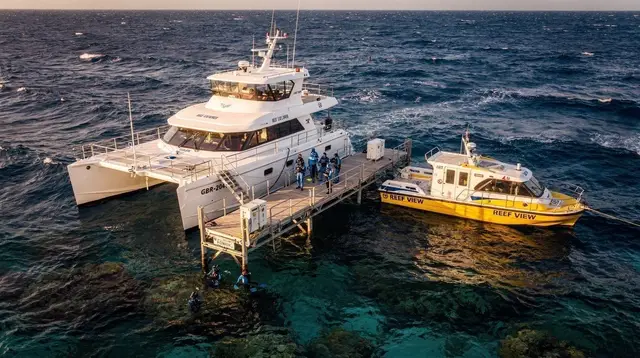
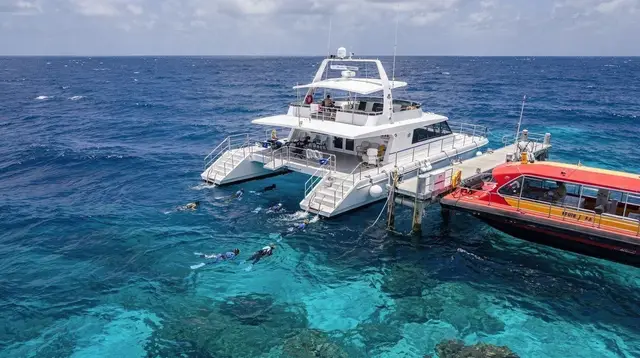
The Great Barrier Reef itself is the main reason many travellers choose the northern beaches as a base rather than staying in Cairns city, since several operators run reef pickups along this coast.
The Quicksilver outer barrier reef cruise and the premium Great Barrier Reef cruise from Cairns both reach the outer reef, while the Wavedancer sailing trip to the Low Isles is a gentler option that suits first-time snorkellers or anyone who prefers sailing to a fast catamaran transfer. As with any reef booking made from this coast, confirm what pickup points are offered near Clifton Beach at the time of booking, since coverage can change.
How Clifton Beach Compares to Its Neighbours
The northern beaches are similar in setting but noticeably different in character. This is a quick reference, not a substitute for the full comparison in the northern beaches guide.
| Beach | Distance from Cairns | Character |
|---|---|---|
| Holloways Beach | ~15 minutes | Closest to the airport, quiet, few facilities |
| Yorkeys Knob | ~18 minutes | Marina, low-key residential |
| Trinity Beach | ~20 minutes | A middle ground — cafés, more developed than Clifton |
| Clifton Beach | ~20–25 minutes | Quiet, residential, real sand, little infrastructure |
| Palm Cove | ~25–30 minutes | The most developed: restaurants, day spas, resorts |
| Kewarra Beach | ~25 minutes | Secluded, low development, tucked behind vegetation |
| Ellis Beach | ~35–40 minutes | The furthest, popular caravan park, closest to Port Douglas side |
Clifton Beach’s position — a short drive from the amenities of Palm Cove, but without the crowds — is really its whole pitch. It rewards travellers who already have a car or who are happy booking transfers, and it is a less obvious fit for anyone planning to rely on foot traffic and walk-up restaurants for every meal.
Practical Notes for Visiting
A rental car is the most flexible way to see Clifton Beach and combine it with the rest of the northern beaches in a single day — useful if your itinerary also includes a stop in Palm Cove or a drive further north toward Port Douglas. If you don’t want to drive, ask whether your accommodation or tour operator offers pickup from Clifton Beach specifically, since coverage along this stretch of coast is generally good but not universal.
Sun exposure is intense here as it is everywhere in the region — reef-safe sunscreen, a hat and shade breaks matter even on a beach walk that doesn’t involve swimming. If you are planning your visit around the dry season for the calmest conditions and best swimming, our best time to visit Cairns guide lays out the seasonal trade-offs in full, including what changes if you travel in the wet season instead. For a single well-planned day that could include a stop like this one alongside a bigger activity, see one day in Cairns for a sense of how much realistically fits into 24 hours on this coast.
Clifton Beach: Questions Before You Go
Where exactly is Clifton Beach in relation to Cairns?
Clifton Beach sits on the northern beaches chapelet, roughly 20–25 minutes north of central Cairns by car, between Trinity Beach and Palm Cove. It is one stop among several — Palm Cove, Trinity Beach, Kewarra Beach, Yorkeys Knob, Holloways Beach and Ellis Beach all sit along the same stretch.
Is Clifton Beach a real sand beach, unlike central Cairns?
Yes. Unlike the Cairns Esplanade, which is mudflats at low tide, Clifton Beach has genuine sand backed by coconut palms. It is quieter and less developed than Palm Cove, with far fewer restaurants and shops nearby.
Can you swim at Clifton Beach year-round?
Swimming is possible, but not risk-free at every time of year. Stinger season runs roughly November to May, and while nets go up on some patrolled beaches nearby, they do not fully exclude Irukandji. See our stinger season guide before deciding when and where to swim.
Is Clifton Beach patrolled or netted?
Patrol and net coverage varies by beach and by season along this stretch of coast, and can change year to year. Always check current signage and flag conditions on arrival rather than assuming a beach is netted or patrolled because a neighbouring beach is.
Do you need a car to get to Clifton Beach?
A car or a pre-booked transfer is the practical way to reach Clifton Beach, since it has less public transport infrastructure than Cairns city or Palm Cove. Most travellers see it as a stop along the Captain Cook Highway rather than a base reached by bus.
What is there to actually do at Clifton Beach itself?
Clifton Beach is mainly a place to walk, watch the sunset and relax rather than a hub of activities. Tours, dive trips, reef cruises and wildlife parks are all booked from nearby Palm Cove or central Cairns and typically include hotel pickup.
Should I stay at Clifton Beach or in Palm Cove?
Stay at Clifton Beach if you want a quieter, more residential feel and don’t mind a short drive for restaurants and tour pickups. Choose Palm Cove if you want dining, day spas and boutique shopping within walking distance.